

Guides
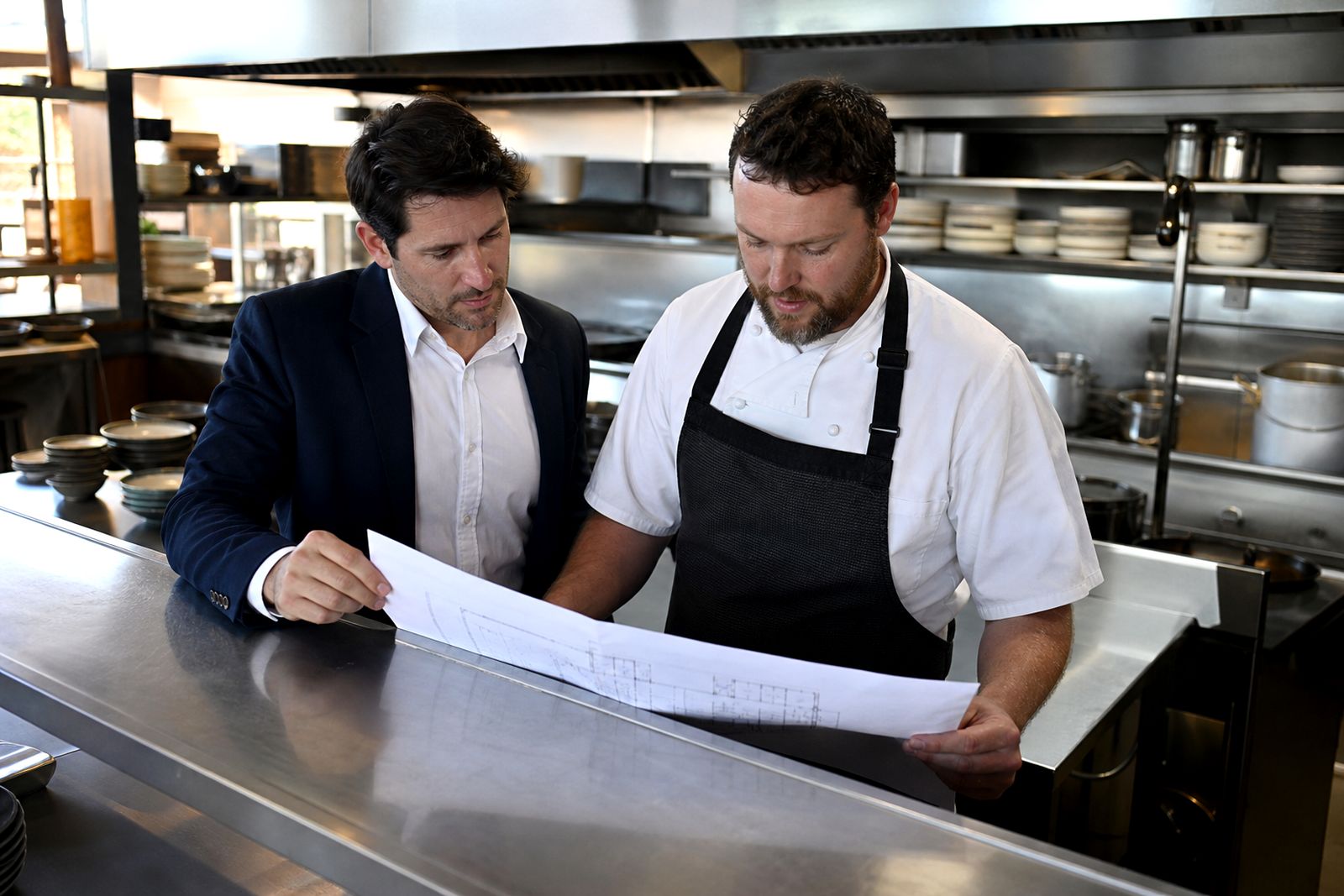
These guides are written for kitchen owners, managers and chefs who need practical information before buying or fitting equipment. They cover planning, stainless steel care and the day to day points that matter in working food service kitchens.
What You Will Find in This Guide Section
This section brings together plain guidance for restaurants, hotels, canteens, takeaways and production kitchens. The focus is on equipment that must work properly in local conditions, from compact city sites in Cape Town to larger kitchens elsewhere in the Western Cape and freighted projects around South Africa.
Rather than broad theory, these guides deal with layout flow, cleaning routines, material choices and the checks to make before ordering. A good kitchen setup saves steps, reduces waiting at busy service times and makes cleaning easier at the end of a long shift. Small decisions such as where a sink sits or how a prep bench is sized can affect the whole line.
- Planning a kitchen layout for prep, cook, wash and serving zones.
- Understanding where stainless steel works best and how to look after it.
- Choosing between fabricated items and standard supply items.
- Checking site conditions before equipment arrives.
Start With Workflow Before You Choose Equipment
Owners often start with a wish list of machines, but workflow should come first. Think about what arrives at the back door, where it is stored, where it is washed, prepped, cooked, plated and cleared. In a takeaway kitchen the pass and collection point may control the whole room. In a hotel or canteen, washing and holding areas usually need more space.
Good flow helps limit cross traffic between raw prep, hot service and dirty returns. It also helps staff move safely with hot pans and heavy containers. If your site has regular power cuts, it is worth thinking about which stations must keep running and how service will continue during interruptions.
- Put cold storage close to receiving and prep, not across the kitchen.
- Keep hand wash points easy to reach without crossing the main cook line.
- Allow room for trolley movement around corners and doorways.
- Separate clean dish drop off from dirty returns where possible.
A Practical Comparison: Standard Equipment or Custom Fabrication
Many kitchens use a mix of imported supply items and custom stainless fabrication. There is no single right answer. The best choice depends on the room size, the menu, cleaning needs and whether the space has awkward corners, columns or low bulkheads.
- Standard supplied equipment: usually suits common tasks such as cooking, chilling, washing and slicing. It can be a sensible option when the layout is straightforward and replacement planning matters.
- Custom stainless fabrication: useful where benches, cupboards, canopies, sink runs or splashbacks must fit exact site measurements.
- Standard items: often easier to compare by footprint, service access and how they fit into the line.
- Custom items: better when you need shelves, doors, undershelves or cut-outs placed to suit the operator's routine.
If the kitchen is in a coastal area, stainless choices and finishing details matter a bit more because salt in the air can be hard on neglected surfaces. Custom work can also help where floors are uneven or walls are not perfectly square, which is common enough in older buildings.
Things to Check on Site Before Ordering
Before any equipment or fabricated item is approved, measure the route from delivery point to final position. It sounds obvious, but door widths, passages, stairs and lift sizes can stop a straightforward delivery. Ceiling height under ducts or extraction runs can also affect what will fit.
Services are another key point. Gas, water, waste and electrical supply all need proper checking on site. A qualified installer must handle connection work, and municipal and compliance requirements apply. Drain positions matter for sinks, dishwashers and glass washers, while extraction layout matters for cooking equipment using heat and grease producing processes.
- Measure the room, openings and delivery path in millimetres.
- Confirm floor falls and drain points near wash areas.
- Check wall finishes and fixing surfaces for shelves or canopies.
- Review ventilation, heat build-up and steam in enclosed rooms.
- Allow enough service access for cleaning and maintenance, not just operation.
Looking After Stainless Steel in Busy Kitchens
Stainless steel is practical for food service because it is cleanable and suits hard daily use, but it still needs proper care. Tea stains, fingerprints, grease film and chlorinated residue can build up quickly if cleaning is rushed. In coastal air, regular wipe downs matter even more.
Use the right cleaning routine for the task and avoid harsh habits such as leaving salty water to dry on the surface. Rinse and dry after cleaning where needed, especially around sink bowls, welded corners and undershelves. If fabrication includes folds and splashbacks, these should be kept free of trapped food debris and chemical residue. A few minutes at close can save a lot of scrubbing later.
- Clean in the direction of the finish where possible.
- Remove food acid, salt and grease before they sit for too long.
- Keep steel wool and unsuitable abrasive tools away from stainless surfaces.
- Dry splash zones and sink surrounds after heavy wash periods.
How to Use These Guides for Your Next Enquiry
The pages in this section are meant to help you narrow down what your kitchen actually needs before you ask for a quote. Some readers arrive knowing they need a full cook line, others only need sinks, shelving or a fabricated bench run. Either way, a better brief usually leads to a quicker and more accurate reply.
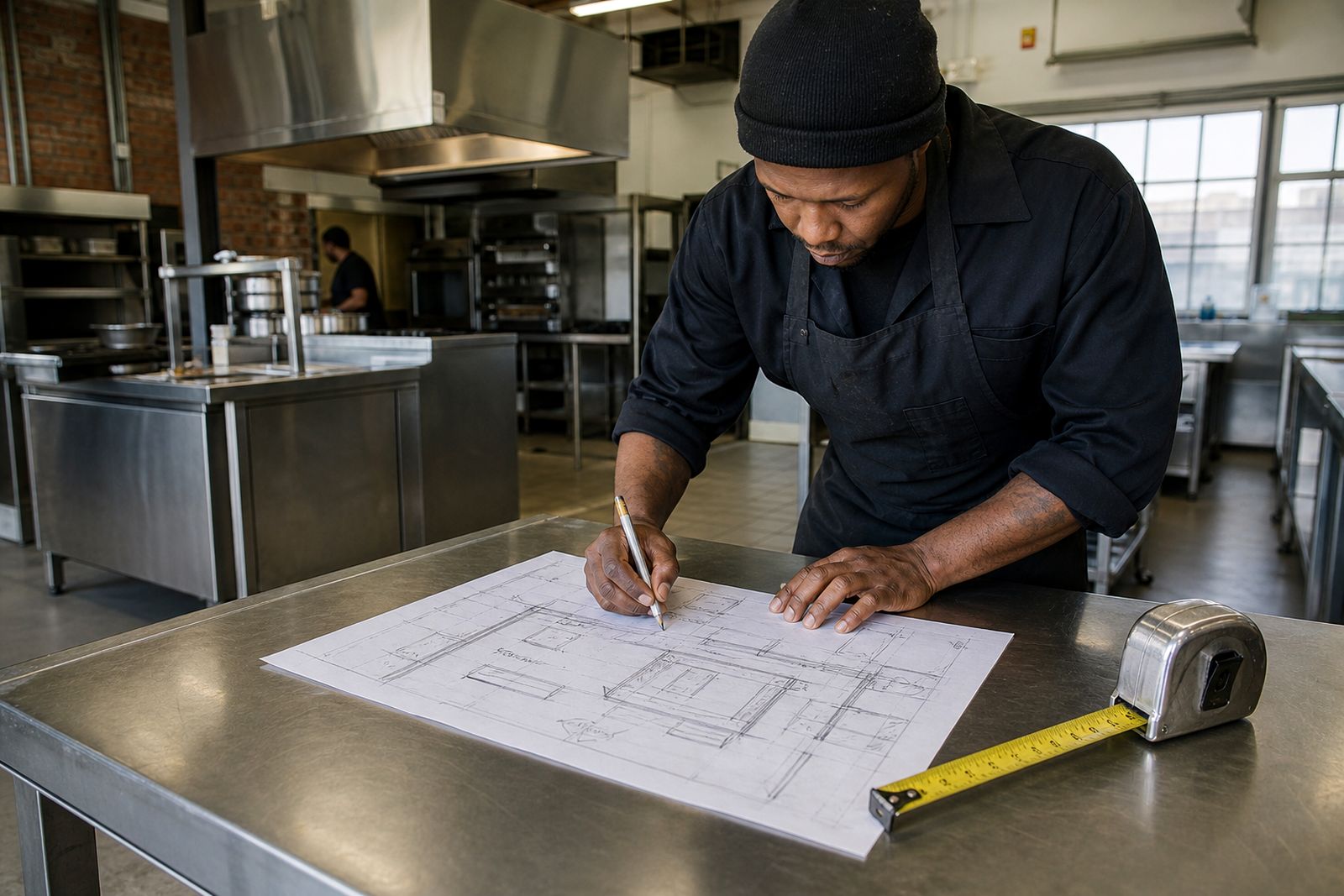
When you are ready, send your enquiry through the contact page form with your town, intended use, approximate room size and any site constraints. Sketches, photos and a simple equipment list are useful, even if they are rough. That gives our workshop lead or sales side enough to point you to the right product pages and fabrication options without wasting time.
Explore the range
What our Catering Equipment customers say
Verified Google reviews
Questions we get asked
Are these guides only for Cape Town kitchens?
No. The examples often reflect Cape Town and Western Cape conditions, but the guidance is useful for food service kitchens across South Africa.
Can you help if I need both supplied equipment and custom stainless items?
Yes. Many projects combine cooking, cold or wash equipment with fabricated benches, cupboards, canopies or sink units.
How do I ask about a specific kitchen project?
Use the enquiry form on the contact page and include your town, basic layout, intended menu or service style and the items you need quoted.
Ask for a quote
Send a note through our contact form with the equipment you are looking at, the kind of kitchen it is for and your delivery town, and our sales team will reply with a quote.
Open the contact form