

Grillers and shawarma machines
Coastal Metal supplies stainless steel grillers and shawarma machines for takeaway counters, restaurants and busy food service kitchens. These units are suited to grilled meat, wraps and service lines where steady heat and easy cleaning matter every day.
What these machines are used for
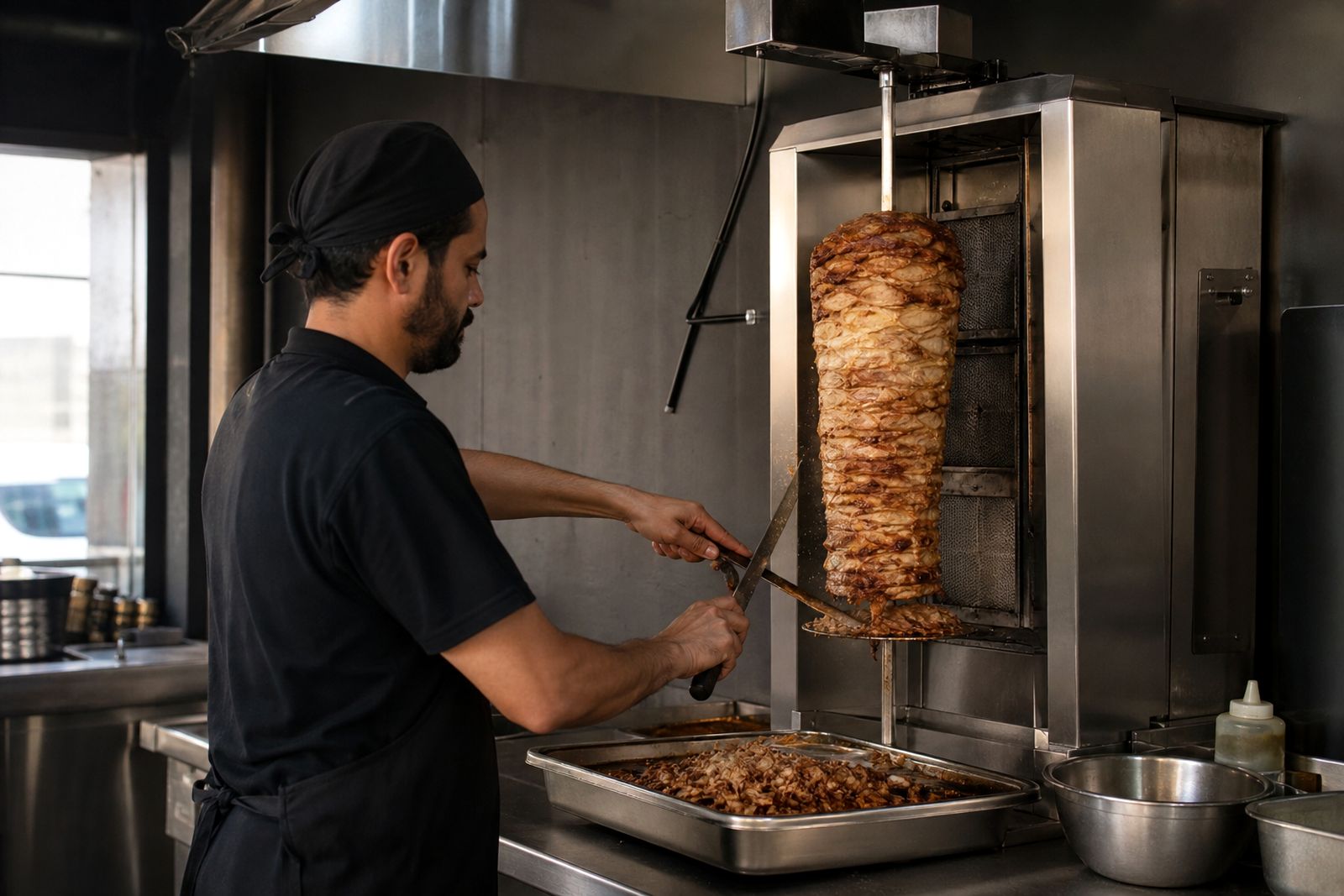
Grillers and shawarma machines are built for fast service foods where heat needs to be direct, controllable and easy to manage during a rush. In practical terms that means grilling portions for plates, finishing meat for wraps, holding a steady roast on a vertical spit, and keeping the cooking area simple to wipe down between services. For many Cape Town takeaway shops and hotel kitchens, this equipment sits at the front of the hot line where staff need quick access and clear visibility of the product.
Shawarma machines use upright radiant heat to cook layered meat on a rotating spit, with slices cut from the outside as service continues. Grillers use a flat or open heated cooking surface for items that need colour, browning and quick turnaround. Both are common in takeaway outlets, canteens and late trading kitchens where the menu focuses on wraps, grilled chicken, beef strips and similar items. If your menu changes often, it helps to choose a setup that is easy to reset and clean at the end of shift.
Sizes, options and working limits
These machines are available in counter standing and floor standing formats, depending on the service volume and how much line space you have. Smaller counters suit compact takeaway shops, food court sites and satellite kitchens. Larger units suit dedicated grill stations where one operator stays on the section through lunch and supper service. Stainless steel body panels are the usual choice because they handle regular cleaning and cope better in coastal humidity than painted finishes.
- Gas or electric heating, depending on the site services available.
- Countertop or floor standing layouts for front of house or back of house use.
- Single or multi burner shawarma heat zones for better control across the meat stack.
- Removable drip trays, grease collection and access panels for cleaning.
- Adjustable spit position or grilling height to manage browning and finish.
Working limits matter. A griller is meant for fast cooking and finishing, not for long slow roasting of large joints. A shawarma machine suits continuous slicing service, but it does depend on correct loading, trimming and operator attention to avoid uneven cooking. In very small kiosks, heat build-up around the machine can be a problem if ventilation is poor. In sites with frequent power cuts, an electric unit may need a backup plan, while gas units still require proper extraction and municipal compliance. If your menu needs smoked flavour, char from solid fuel or very high volume production across many proteins at once, another cooking format may suit you better.
Where they suit, and where they do not
These units suit takeaway counters, Halaal food outlets, casual restaurants, staff canteens, hotel service kitchens and food courts where grilled meat and wraps are a regular seller. They also work well in production kitchens that portion and finish meat close to service time. A shawarma setup is especially useful where the menu depends on sliced meat served through the day rather than batch cooked pans from the back kitchen.
- Good fit for wraps, pitas, rotis and plated grilled items.
- Useful where staff need visible cooking close to the pass.
- Suitable for kitchens with stainless steel prep tables nearby for fast assembly.
- Helpful in narrow service lines because vertical cooking uses less bench width.
They are less suitable where the menu is mostly fried food, where there is no proper extraction route, or where the site cannot support gas or electrical demand safely. A small coffee counter with limited ventilation generally should not try to squeeze in hot meat equipment. If your trading is seasonal and irregular, a simpler hot holding or prep arrangement may be enough. In some municipalities, changes to gas, extraction or drainage arrangements need approval before operation, so it is best to check early rather than after delivery.
Site needs before delivery
Before you order, the important questions are fuel type, ventilation, clear working space and cleaning access. Grillers and shawarma machines produce heat, grease and vapour, so the area around them must be planned properly. They should not be pushed tight against combustible finishes or installed where staff cannot reach the tray, controls and service panels. In Cape Town and the Western Cape, coastal air can also affect exposed steel fittings around a hot line, so keeping the area dry and well cleaned helps a lot.
Installation must be done by a qualified installer, and municipal and compliance requirements apply for gas, electrical and extraction connections. The same applies to any changes to canopies, ducting and shut-off points. If the machine stands near a prep sink or wash area, it is worth planning splash protection so the hot section stays cleaner during service. Allow enough room for staff movement too because cramped lines often lead to poor cleaning and slower service, especialy during the evening rush.
- Confirm whether you want gas or electric operation.
- Check extraction, make-up air and heat removal at the proposed position.
- Measure doorway widths, passageways and final placement area.
- Allow space for trimming, wrapping and plated handover beside the machine.
- Plan safe access for daily cleaning and grease tray removal.
Cleaning and day to day care
Stainless steel catering equipment lasts better when cleaning is done little and often rather than left to the end of a long shift. On grillers, food residue should be removed before it bakes hard onto the surface. On shawarma machines, trays, guards and exposed panels should be wiped down after service once the equipment is safe to handle. Salt, sauces and acidic marinades should not sit on steel overnight, especially near the coast where damp air already puts extra strain on metal surfaces.
Use non-abrasive cleaning methods suited to food service equipment and avoid harsh scrapers that mark the steel. Burners, elements, spits and moving parts should be checked regularly for grease build-up and wear. If a machine starts heating unevenly, cuts out, or the rotation is not consistent, stop guessing and have it checked. Good care is not complicated, but it does prevent service problems and keeps the finish presentable for longer.
What to tell us when you enquire
The best quote starts with a clear picture of your kitchen and menu. Use the enquiry form on our contact page and include what you are cooking, whether you want gas or electric, and how the unit will fit into the service line. If you are pairing the machine with prep tables, extraction hoods, sinks or shelving, mention that as well so the layout can be considered together rather than piece by piece.
- Type of site such as takeaway, restaurant, hotel or canteen.
- Main menu items and whether you need grilling, vertical roasting or both.
- Available floor or counter space in millimetres.
- Power supply or gas availability on site.
- Whether extraction, stainless benches or custom fabrication are also needed.
- Delivery town in the Western Cape or elsewhere in South Africa.
If you are not sure which setup is right, tell us where the bottleneck is. It may be output at lunch, slow cleaning after close, limited counter space or poor product consistency. With that information we can guide you to a practical option and you can ask for a quote through the contact form.
What our Catering Equipment customers say
Verified Google reviews
Questions we get asked
Should I choose gas or electric?
That depends on your site services, extraction setup and how you trade during power cuts. Tell us what is available on site and we can help you compare the practical pros and limits.
Can these machines be installed in a small takeaway shop?
Often yes, but only if there is enough ventilation, safe working clearance and access for cleaning. A qualified installer must handle installation and municipal and compliance requirements apply.
Do you give prices on the page?
No. Equipment, layout and site conditions vary, so please use the enquiry form on our contact page and ask for a quote.
Also worth a look
Ask for a quote
Send a note through our contact form with the equipment you are looking at, the kind of kitchen it is for and your delivery town, and our sales team will reply with a quote.
Open the contact form