
Coffee machines
We supply coffee machines for espresso service and filter coffee stations in cafes, canteens, hotels and staff kitchens. From compact counter units to larger service setups, we help you match the machine to the pace of trade and the site conditions.
Coffee machines for trade use
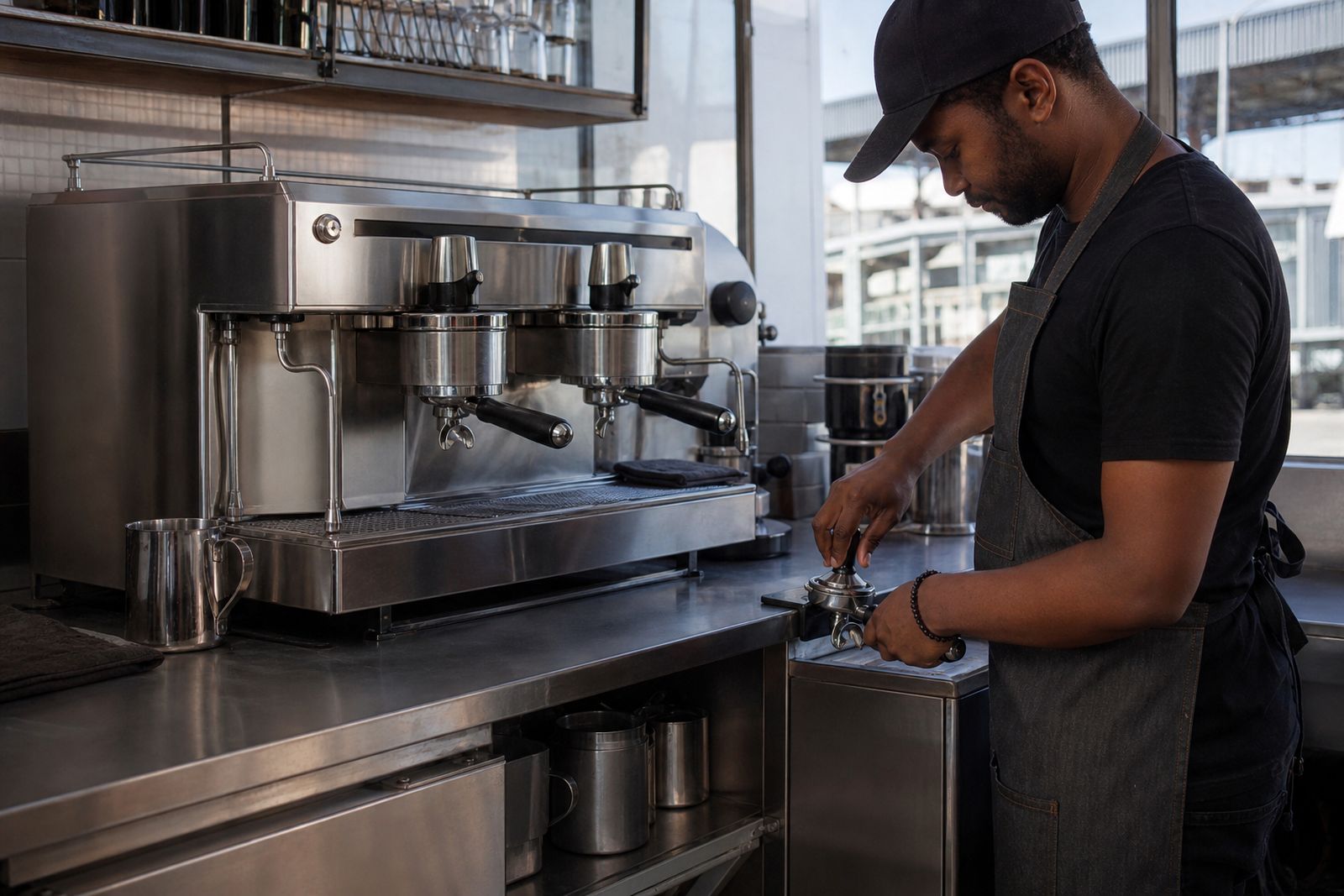
Coffee machines in a commercial setting need to cope with repeated service, quick cleaning and steady daily use. We supply units suited to front counter espresso service as well as filter coffee equipment for self service points, breakfast rooms, meeting areas and canteens. The right choice depends less on appearance and more on how many drinks are made in a busy spell, who will operate the machine, and whether the site has a proper water point and a stable power supply.
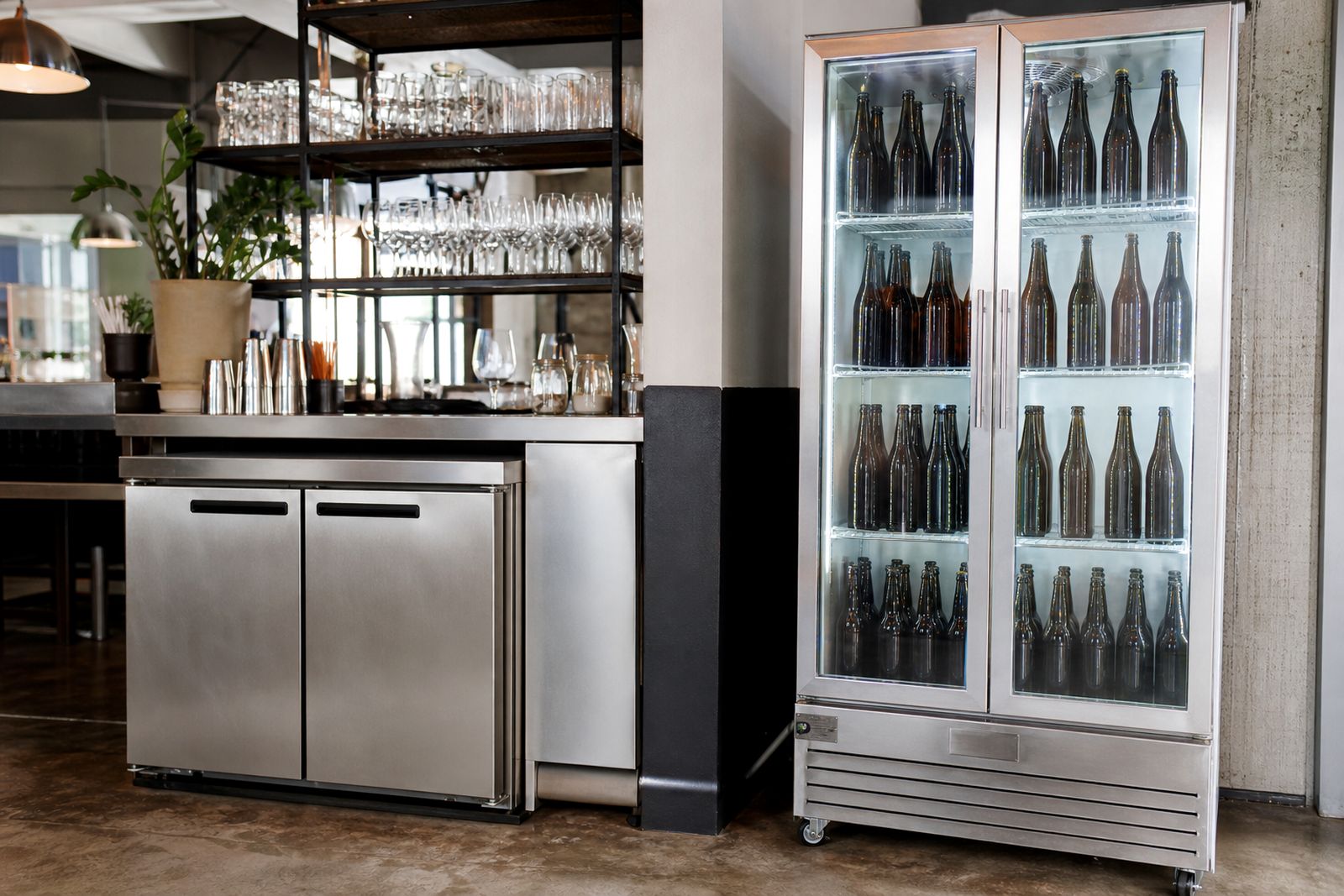
For coffee bars and smaller restaurants, espresso machines are usually chosen where milk drinks, americanos and straight espresso are part of the menu. For office canteens, church halls, waiting areas and conference venues, filter coffee equipment often makes more sense because it is simple to run and keeps service moving. If your kitchen already has stainless counters, sinks and undercounter refrigeration, we can help you line up the coffee area so the workflow is practical and easy to clean.
Sizes, options and working limits
We offer countertop coffee equipment in a range of formats, from compact espresso units for lighter trade to larger machines for regular all day service. Filter coffee units are available for batch brewing where cups are poured quickly over a service period. The working limit of any machine comes down to heat recovery, operator pace, water quality and how long the machine must run without a break. A small unit can struggle in a queue after the school run or lunch rush, while a larger machine can be unnecessary in a staff tea point.
- Compact espresso units for smaller cafes, kiosks and low to moderate cup volumes.
- Larger espresso units for faster service where more than one drink is prepared at a time.
- Filter coffee brewers for canteens, breakfast service and meeting venues.
- Manual and semi automatic styles depending on operator skill and drink menu.
- Countertop layouts with room for grinders, milk jugs, cups and a knock out area.
These machines suit organised service where there is a set routine for warm up, brewing, milk handling and shut down. They do not suit outdoor use, exposed loading bays, or cramped corners with no water point and poor ventilation. In coastal areas like Cape Town, salt in the air can also shorten the life of neglected equipment, so cleaning matters a lot.
Where coffee machines work best
Espresso machines are a good fit for cafes, bakery counters, hotel lounges, takeaway shops and convenience food outlets that need made to order drinks. They also work in canteens where coffee quality matters and a trained operator is present for service. Filter coffee systems suit schools, staff canteens, training centres, churches, reception areas and event venues where quick pouring and easy refill is more important than a full coffee menu.
- Good fit for indoor counters with a nearby prep sink and a clean cup storage area.
- Useful where stainless worktops are already planned for easy wipe down and drainage.
- Suitable for hotels and guest dining areas that need breakfast coffee service.
- Less suitable for informal spaces with no trained operator or no cleaning routine.
- Not ideal where incoming water quality is poor and no treatment has been planned.
If your service is mostly tea, cold drinks and a small number of basic coffees, a simpler setup may be the better call. If coffee is a key seller, then the machine needs to match the rush periods not the quiet times. We can also advise on bench space around the machine so the operator is not boxed in during service.
Site requirements and installation planning
Commercial coffee machines need a proper position on a level counter with enough overhead and side clearance for use and cleaning. Before ordering, check the route into the premises, the counter depth, the cup storage area and whether the machine will share power with other equipment. Water fed machines usually need a mains water point, isolation valve and drainage arrangement, while some smaller units may be more flexible. A qualified installer must handle the final connection, and municipal and compliance requirements apply.
Power cuts can interrupt heating cycles and service, so it helps to plan what happens when the machine stops and restarts. In some sites, a separate serving plan for those periods keeps the queue moving. Ventilation, water quality and drainage are often overlooked, but they affect reliability more than people expect. If the machine sits next to fryers or heavy cooking equipment, extra grease in the air can make cleaning harder and may shorten service intervals.
- Stable, level counter space with room for operation and cleaning.
- Suitable electrical supply as confirmed by a qualified installer.
- Water connection and drainage where the machine type requires it.
- Practical layout for grinder, milk station, cups and waste handling.
- Indoor placement away from weather, steam bursts and direct splash zones.
Cleaning, care and everyday use
Daily care keeps coffee tasting right and helps avoid call outs. Group areas, filter parts, drip trays, steam components and waste points all need routine cleaning, and milk residue must never be allowed to sit. In coastal humidity, wiping down stainless and painted surfaces matters because damp air can leave marks if the machine is ignored for too long. A regular descale and water treatment plan is also important where the incoming water is hard or inconsistent.
Operators should follow a simple opening and closing routine with a clear place for cloths, brushes and cleaning chemicals approved for food areas. Keep cups, saucers and spoons close by so the counter does not become cluttered. If the coffee point is in a canteen or hotel breakfast area, it helps to separate guest access from the operator side, this keeps spills and crowding under control.
What to tell us when you enquire
When you send an enquiry through our contact page, give us the practical details first. We need to know whether you want espresso service, filter coffee, or both, and whether the machine will be used in a cafe, canteen, hotel, takeaway or office setting. It also helps if you tell us what other equipment will share the area, such as undercounter fridges, prep sinks or wash up stations.
- Your town and whether delivery is in Cape Town, elsewhere in the Western Cape, or by freight to another part of South Africa.
- The type of service: espresso drinks, filter coffee, or mixed service.
- Estimated busy periods, for example breakfast, lunch rush, functions or all day canteen use.
- Available counter width and depth in millimetres.
- Whether there is a water point, drain and suitable electrical supply nearby.
- Who will operate the machine and whether the menu includes milk based drinks.
If you have a floor plan or a photo of the counter area, include that in your enquiry. We can then point you toward a suitable machine type and advise on the surrounding stainless work area. Ask for a quote through the enquiry form and we will respond with options that fit the site and the way you trade.
What our Catering Equipment customers say
Verified Google reviews
Questions we get asked
Should I choose espresso or filter coffee for my site?
Choose espresso where made to order drinks are part of the menu and a trained operator is present. Choose filter coffee where you need quick pouring for meetings, breakfast service or canteen use.
Can a coffee machine be installed anywhere on a counter?
No. The position must allow for safe operation, cleaning access, cup storage, waste handling and, where required, proper water, drainage and electrical connections. A qualified installer and the relevant municipal and compliance requirements apply.
What information should I send for a quote?
Tell us your town, service type, busy periods, available counter size, and whether water, drainage and suitable power are already in place. Photos or a simple layout sketch help a lot.
Ask for a quote
Send a note through our contact form with the equipment you are looking at, the kind of kitchen it is for and your delivery town, and our sales team will reply with a quote.
Open the contact form